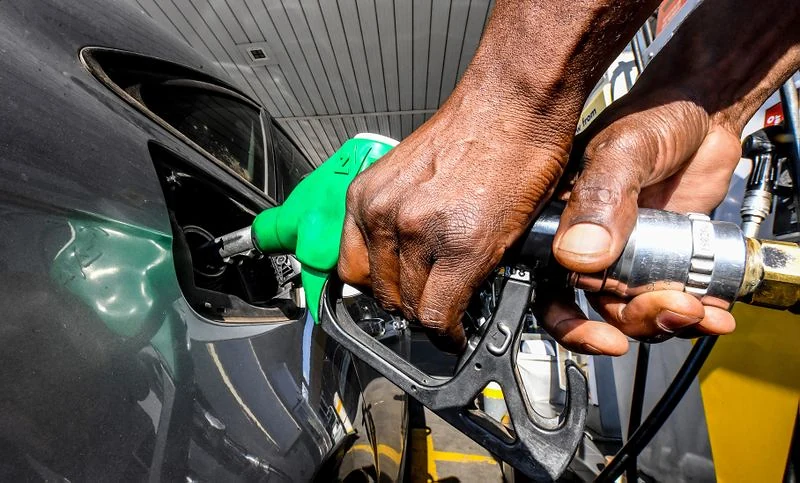
Fuel price pressure has a way of spreading far beyond the pump. When diesel and petrol climb, the effect reaches couriers, wholesalers, ride-hailing fleets, retail distribution, and even the way households plan errands. In South Africa and across global markets, that squeeze is now pushing companies to treat fuel efficiency as a technology problem, not only a budgeting problem.
The result is a clear shift in mobility and logistics. Businesses are leaning harder on data, automation, and electrification to move goods with fewer wasted kilometres, less idling, and tighter control over every route. Consumers are also changing behaviour, choosing consolidated trips, delivery windows that reduce cost, and services that promise lower energy use.
Fuel costs are becoming a software problem
A useful starting point is the same basic advice often given to drivers when fuel gets expensive, plan trips, avoid waste, and smooth out driving habits. In commercial operations, those habits are now being encoded into software.
Fleet operators are using telematics, weather data, traffic feeds, and delivery history to forecast the cheapest way to move vehicles from one point to another. Route planning is no longer a static map exercise. AI systems can recalculate schedules in real time, shift stops to avoid congestion, and reduce empty kilometres between jobs.
UPS’s ORION system is one of the clearest examples of what that looks like at scale. The company says it saves around 10 million gallons of fuel a year by tightening route choices. That kind of outcome matters because fuel spend is one of the few costs that can rise quickly without warning and hit every delivery, every shift, and every long haul.
The same tools also help with demand forecasting and inventory placement. If a retailer can predict where demand will land next week, it can position stock closer to customers and cut down on emergency transport. In logistics, fewer rushed trips usually means fewer expensive litres burned.
Automation is cutting waste in the last mile
The sharpest pressure point is often the final leg of delivery. That is where fuel gets wasted in stop-start traffic, repeated drop-offs, and urban congestion. Automation is starting to change that.
Autonomous delivery vehicles are being piloted in different forms, from sidewalk robots to driverless vans. Starship Technologies and Serve Robotics are using small electric delivery units for short urban routes, while companies such as Nuro and Amazon’s Rivian vans are pushing electric last-mile transport further into mainstream operations. These systems remove fuel from the last leg entirely, which matters most in dense neighbourhoods where short trips are expensive to run conventionally.
Warehouses are also being reshaped. Automated guided vehicles and autonomous mobile robots are taking over repetitive movement inside distribution centres, moving stock more efficiently and reducing the delays that keep trucks waiting at loading bays. Less time parked means less wasted fuel and quicker turnaround for the next job.
Truck platooning is another example of fuel efficiency built into automation. When trucks electronically coordinate their speed and braking, the following vehicles face less aerodynamic drag. The savings can reach 5% to 10% across a platoon. That is not a futuristic experiment anymore, it is a practical response to higher diesel costs.
Drone delivery remains narrower in scope, but it is increasingly relevant for urgent, lightweight packages. Wing and Amazon Prime Air are both testing models that bypass roads altogether. For specific use cases, the logic is simple. If the job is small and time-sensitive, the cheapest route may be the one that avoids traffic completely.
Electrification is moving from promise to operating model
Fuel volatility is also accelerating the case for electric fleets. The shift is especially visible in parcel delivery and short-range logistics, where range is more predictable and charging can happen at depots.
Amazon’s plan to deploy 100,000 Rivian electric vans by 2030 shows how large-scale fleet electrification is becoming a core logistics strategy rather than a branding exercise. DHL and FedEx are also expanding EV use in their urban and medium-duty operations. These fleets reduce exposure to diesel price swings and give operators more control over energy costs over time.
The bigger bottleneck is infrastructure. Fast chargers along transport corridors, depot charging systems, and software that schedules energy use are becoming as important as the vehicles themselves. Without that backbone, electrification stays limited to pilots. With it, electric logistics becomes a real alternative to fuel-based transport.
Hydrogen fuel cell vehicles are also entering the conversation for heavy-duty transport, where battery weight and charging time still create problems. Hyundai Xcient Fuel Cell trucks and Nikola’s offerings are aimed at routes that need quicker refuelling and longer range. Shell’s interest in hydrogen fuelling stations signals that the energy transition for freight is becoming more diversified, not narrower.
Battery swapping adds another angle, especially for high-utilisation commercial vehicles and buses. If a battery can be exchanged in minutes, the vehicle can spend more time moving and less time waiting. For operators running on tight delivery schedules, that is a direct productivity gain.
Shared mobility is changing how people think about ownership
Fuel shocks do not only affect logistics companies. They also influence how consumers move.
Ride-sharing, car-sharing, e-bikes, and e-scooters all gain appeal when the cost of private vehicle use climbs. Platforms such as Uber, Lyft, Zipcar, and Turo are part of a wider shift toward access over ownership. A shared vehicle that sits in use more often and carries more passengers per trip naturally spreads energy cost more efficiently than an underutilised private car.
That behavioural change feeds into city planning too. More parcel lockers, click-and-collect points, and micro-fulfilment centres reduce the number of separate home deliveries. A single pickup location can replace several scattered drop-offs, which saves fuel for couriers and shortens routes across the city.
Dynamic pricing is entering the delivery market as well. If a platform can steer customers toward lower-cost delivery windows, it can reduce congestion and improve vehicle utilisation. Consumers may see that as convenience pricing, but under the surface it is a form of demand management built around fuel efficiency.
The bigger shift is digital infrastructure
The real story is not just lower fuel use. It is the deeper digital layer being built around transport and delivery.
Connected fleets need massive volumes of sensor data, which is pushing companies toward IoT deployments, edge computing, cloud-native systems, and API-first integration between transport management, warehouse management, and enterprise platforms. As vehicles, hubs, and roads become more connected, cybersecurity also becomes central. A logistics network that depends on software and live data cannot afford weak protection.
That is why fuel price volatility is now acting like a catalyst for broader systems change. It is accelerating smarter routing, better warehouse automation, EV charging buildout, and more flexible mobility models. It is also nudging transport away from a purely physical mindset and toward a digital operating model where data decides how, when, and where movement happens.
The companies that adapt fastest will not simply spend less on fuel. They will build logistics systems that are more resilient, more measurable, and far more responsive to the next price shock.